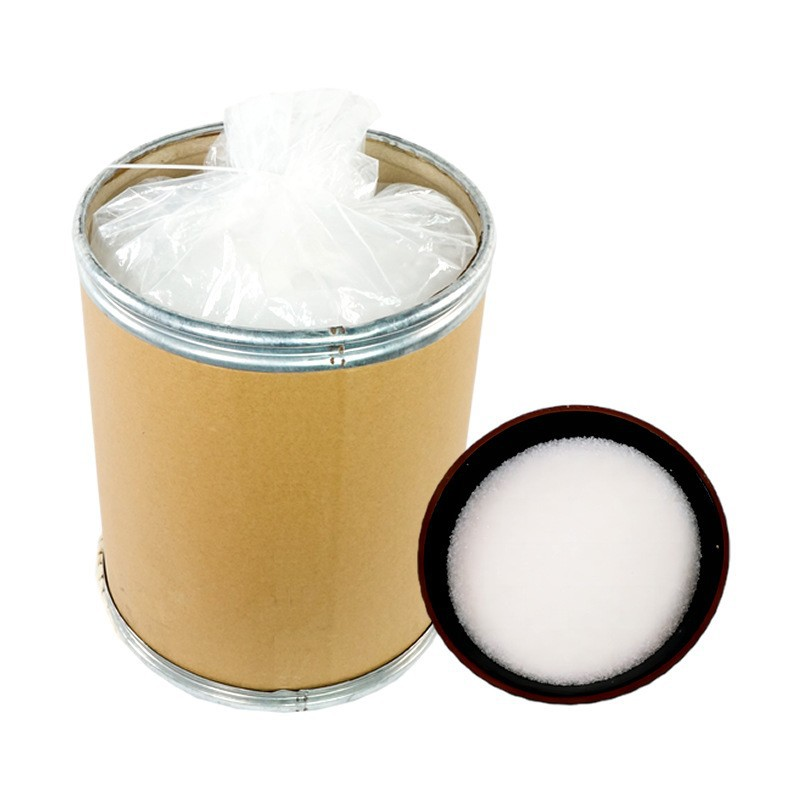
CUSTOM BLEND • ALLULOSE + STEVIOL GLYCOSIDES
Allulose and stevia blend for bulk and private label
Hengliyuan allulose and stevia blend for food, beverage, tabletop and private-label projects. Define the product route, sweetness target, application test, specification and pack before ordering.
Hengliyuan develops blends whose main sweetening ingredients are allulose and steviol glycosides. This is a two-ingredient direction, distinct from an allulose–monk fruit blend, a three-sweetener system or buying the ingredients separately.
Hengliyuan uses high-speed mixing for its allulose-based sweetener blends. Start with the finished product and final market, then define the sweetness target, selected steviol glycoside material, pack and the question the first sample should answer.
Product composition and available formats
Production route for this blend
This allulose-based blend uses high-speed mixing. Agree the selected formula and powder specification for the sample and order; the mixing route alone does not establish particle size or application performance.
Choose the right allulose blend route
An allulose–stevia blend, allulose–monk fruit blend, three-sweetener blend and separate ingredient purchase are different briefs. Choose the ingredient route first, then compare samples within that route.
| Buyer need | Starting route | Confirm next |
|---|---|---|
| Allulose with steviol glycosides | This product page | Application, sweetness basis, steviol glycoside material, process and pack |
| Allulose without stevia | Allulose and monk fruit blend | Monk fruit specification, sensory target, application and ingredient restrictions |
| Compare stevia and monk fruit in one system | Three-sweetener formulation guide | Whether the third ingredient answers a defined sample problem |
| Dose the ingredients separately or use another composition | Single ingredients or a custom blend | Internal dosing capability, specifications, current control and process |
Define 1:1 and the sweetness comparison basis
If the target is described as 1:1, state whether that means the same weight, the same volume or one consumer serving compared with sucrose. Treat it as a development target, not a universal dose. Record the sucrose control, finished-product use level and serving condition with the sample.
Separate sweetness from the functions of sugar
Steviol glycosides can lift sweetness at a low dose, while allulose may contribute more material to the formula. In the real product, assess any sugar functions that matter—such as bulk, browning or colour, moisture, texture, viscosity or freezing behaviour—separately from sweetness. A sweetness match does not prove that every sugar function has been replaced.
Test the selected steviol glycoside material in the real base
Do not approve the blend from the word stevia alone. Record the selected steviol glycoside material and production route where relevant, then compare sweetness onset, peak, finish, bitterness or other aftertaste and interaction with the original flavour. Keep the product base, process and serving temperature consistent when comparing samples.
Match the sample, specification and quotation
Give each sample a number and formula version. Confirm the complete ingredient statement or controlled formula reference, target sweetness, selected ingredient specifications, powder or particle requirement, intended application and pack. Before ordering, check that the approved sample, finished-blend specification, quotation and requested batch documents refer to the same version.
Confirm the final market and food category
Before fixing the formula, state the final sales market and finished-food category. The buyer or importer should confirm whether allulose and the selected steviol glycoside material are permitted for that category, the applicable conditions and the required ingredient-list or label wording. An English page or cross-border supply discussion does not establish approval for every market.
Choose the commercial route
State whether the project is a bulk blend for manufacturing or repacking, a private-label finished product, or manufacturing to an existing formula. The route changes the sample, packaging, artwork, document and quotation questions.
| Route | Buyer use | Information to prepare |
|---|---|---|
| Bulk ingredient | Use or repack the blend in the buyer's operation | Application, receiving pack, quantity, specification and documents |
| Private label or OEM | Sell a finished product under the buyer's brand | Final market, unit pack, artwork status, quantity and document needs |
| Manufacture to buyer formula | Produce against an existing controlled composition | Formula, ingredient grades, specification, process, pack, quantity and confidentiality route |
Keep cross-border locations separate
The buyer may be in one country, receive the goods in another and sell in a third. Send the buyer or company location, ship-to country or port and final sales market as separate fields, together with the buyer role and commercial route.
Send a quotation-ready brief
Start with the commercial route; buyer location; ship-to destination; final market and food category; application; current formula or sucrose control; target sweetness and comparison basis; ingredient restrictions; process; selected steviol glycoside requirement if known; powder or particle requirement; pack; estimated quantity; required documents; and whether samples are needed. Add the one question the first sample should answer.
Product test reports
Please contact us to request test reports for this product. We will confirm the documents that can be provided for the selected specification and batch.
Related next steps
Allulose and stevia blends: comparing taste and cost at the chosen dose
Testing allulose and stevia blends in baking against your current recipe
Read the allulose and stevia formulation guide
Compare allulose with monk fruit or stevia
Review the three-sweetener route
Review allulose bakery browning and moisture checks
Request a sample and bulk quotation
View custom formulation options
Common questions
Can you help if we do not have a formula?
Yes. Start with the product, final market, current control, target change and ingredient restrictions. These fields are enough to discuss a first sample direction. Tell us your ingredient requirements; we will review the matching formulation direction.
Discuss this requestCan the formulation exclude erythritol?
Yes. This route is based on allulose and steviol glycosides. Confirm the complete ingredient statement with the selected formula rather than assuming the absence of every other ingredient. Tell us your ingredient requirements; we will review the matching formulation direction.
Discuss this requestCan we develop a 1:1 sugar replacement?
You can specify 1:1 as a development target. Define whether the comparison is by weight, volume or serving, then test sweetness and the other sugar functions separately in the intended product. Tell us your sweetness comparison basis; we will propose a sample comparison for that target.
Discuss this requestDoes allulose remove stevia aftertaste?
Do not assume that it will. Aftertaste depends on the selected steviol glycoside material, dose, flavour system, process and full formula. Compare the actual samples in the same product base. Tell us the taste issue you want to resolve; we will review the next sample direction.
Discuss this requestCan this page prove that allulose is permitted in our market?
No. Confirm the final market, food category, ingredient identity, use conditions and label requirements before fixing the formula. Tell us your target market; we will check which product documents we can provide for your review.
Discuss this requestCan we use our own brand and packaging?
Yes. Discuss a private-label project with the selected formula direction, final market, unit pack, artwork status, quantity and document needs. Tell us your packaging requirements; we will review the packaging proposal for your project.
Discuss this requestWhat should we send before requesting a sample or quotation?
Send the commercial route, buyer location, ship-to destination, final market and food category, application, current control, sweetness comparison basis, ingredient restrictions, process, pack, quantity, documents and the question the first sample should answer. Send us the details listed here; we will review the sample and quotation plan with you.
Discuss this request